

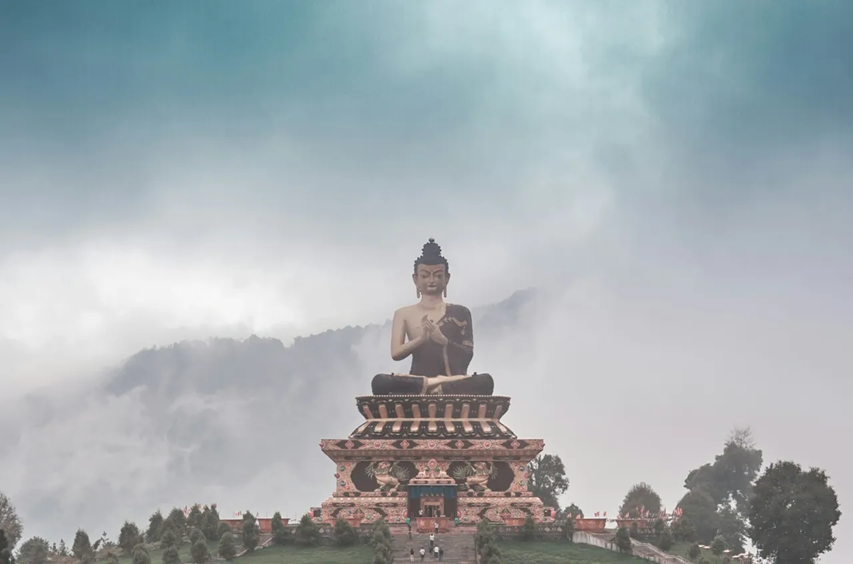
In the Bhagavad Gita, Shree Krishna had stated that “the meditative mind sees disagreeable or agreeable things with equanimity, patience, and good-will”. Transcendent mediation sees them as they are.
Meditation is a practice that involves training the mind to focus on the present moment in order to achieve a state of mental calm and clarity. It is often used as a tool for stress reduction, improving concentration, and promoting overall well-being.
Mediation is a process of conflict resolution in which a neutral third party, the mediator, helps two or more parties to come to a mutually acceptable agreement.
Mediation and Meditation: Both are modes of attaining “Peace”.
Meditation can be a powerful tool to help you prepare for mediation. In both mediation and meditation, the deeper middle way requires a willingness to let go of one’s ego and embrace a more expansive perspective. It involves acknowledging that there are multiple valid viewpoints and recognizing the interconnectedness of all beings. By finding a balance between opposing forces, we can create a more harmonious and peaceful world.
The deeper middle way: to create a more profound and transformative practice.
Our conflicts and inner struggles are not separate but interconnected, and that by working on one, we can also heal the other. For example, if we cultivate more compassion and understanding towards ourselves in meditation, we are more likely to extend the same towards others in mediation, and vice versa. In summary, while mediation and meditation may seem different at first glance, they both offer valuable tools for finding the deeper middle way in our lives. By combining these practices, we can cultivate a more holistic and transformative approach to conflict resolution, personal growth, and spiritual development.
From Meditation to Mediation: A New Era in International Conflict Resolution
There is a natural affinity between mediation and meditation, inasmuch as both recognize the simultaneity of unity and opposition; both acknowledge the presence of diverse and multiple truths; both seek a middle way; and both encourage us to have a complete experience of our conflicts, allowing us to evolve and leave them behind.